


€ 39,99 Gratis verzending

Uitgelicht
|
|
39,99 |
Naar shop
|

|
60,45 |
Naar shop
|
| VERGELIJK ALLE AANBIEDERS (2) | ||
 Beschrijving
Vergelijk aanbieders (2)
€ 39,99 Gratis verzending
gebruikt € 60,45 Gratis verzending
Winkels met andere maten
Beschrijving
(2)
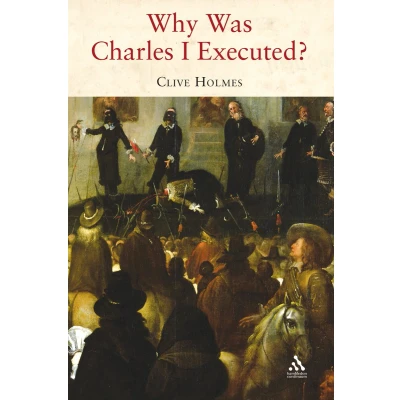
The execution of Charles I in 1649 was an extraordinary political event. Why the king was defeated and executed has been a central question in English history. This work aims to supply clear answers to key questions about the period, ranging from why the king had to summon the Long Parliament to whether there was, in fact, an English Revolution. The execution of Charles I in 1649, followed by the proclamation of a Commonwealth, was an extraordinary political event. It followed a bitter Civil War between parliament and the king, and their total failure to negotiate a subsequent peace settlement. Why the king was defeated and executed has been a central question in English history, being traced back to the Reformation and forward to the triumph of parliament in the eighteenth century. The old answers, whether those of the Victorian narrative historian S.R. Gardiner or of Lawrence Stone's diagnosis of a fatal long-term rift in English society, however, no longer satisfy, while the newer ones of local historians and 'revisionists' often leave readers unclear as to why the Civil War happened at all. In "Why Was Charles I Executed?", Clive Holmes supplies clear answers to eight key questions about the period, ranging from why the king had to summon the Long Parliament to whether there was, in fact, an English Revolution.
BolThe execution of Charles I in 1649, followed by the proclamation of a Commonwealth, was an extraordinary political event. It followed a bitter Civil War between parliament and the king. This book answers to eight key questions about the period, from why the king had to summon the Parliament to whether there was really an English Revolution at all. The execution of Charles I in 1649, followed by the proclamation of a Commonwealth, was an extraordinary political event. It followed a bitter Civil War between parliament and the king, and their abject failure to negotiate a peace settlement. Why the king was defeated and executed has long been a central question in English history. The old answers, whether those of the historian S R Gardiner or of Lawrence Stone, no longer satisfy. Clive Holmes supplies clear answers to eight key questions about the period, ranging from why the king had to summon the Long Parliament to whether there was in fact an English Revolution at all.
 Productspecificaties
| EAN |
|
|---|---|
| Maat |
|
 Prijshistorie
 Prijzen voor het laatst bijgewerkt op:
 Gerelateerde resultaten


