


€ 30,93 Gratis verzending

Uitgelicht
|
|
30,93 |
Naar shop
|
| VERGELIJK ALLE AANBIEDERS (1) | ||
 Beschrijving
Vergelijk aanbieders (1)
€ 30,93 Gratis verzending
Winkels met andere maten
Beschrijving
(1)
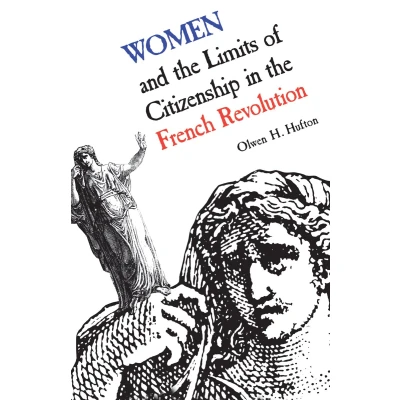
Hufton examines the motivations of two groups of women during the Revolution, the strategies they used to advance their respective causes, and the bitter misogyinistic legacy of the republican tradition which persisted into the twentieth century. The French masses overwhelmingly supported the Revolution in 1789. Economic hardship, hunger, and debt combined to put them solidly behind the leaders. But between the people's expectations and the politicians' interpretation of what was needed to construct a new state lay a vast chasm. Olwen H. Hufton explores the responses of two groups of working women – those in rural areas and those in Paris – to the revolution's aftermath. Women were denied citizenship in the new state, but they were not apolitical. In Paris, collective female activity promoted a controlled economy as women struggled to secure an adequate supply of bread at a reasonable price. Rural women engaged in collective confrontation to undermine government religious policy which was destroying the networks of traditional Catholic charity. Hufton examines the motivations of these two groups, the strategies they used to advance their respective causes, and the bitter misogyinistic legacy of the republican tradition which persisted into the twentieth century.
 Productspecificaties
| EAN |
|
|---|---|
| Maat |
|
 Prijshistorie
Prijzen voor het laatst bijgewerkt op:
 Gerelateerde resultaten


