


€ 35,99 Gratis verzending

Uitgelicht
|
|
35,99 |
Naar shop
|

|
104,99 |
Naar shop
|
| VERGELIJK ALLE AANBIEDERS (2) | ||
 Beschrijving
Vergelijk aanbieders (2)
€ 35,99 Gratis verzending
€ 104,99 Gratis verzending
Winkels met andere maten
Beschrijving
(1)
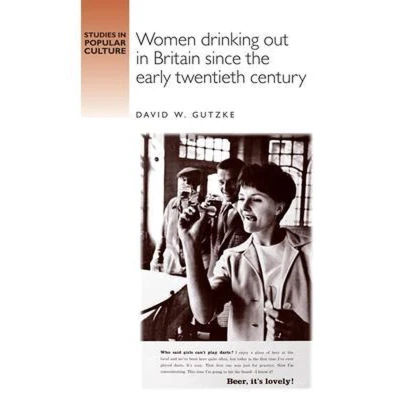
Offers a way of conceptualising how women’s drinking habits changed over more than a century in Britain. Women’s drinking has attracted enormous attention in recent years, but surprisingly this topic has not produced a comprehensive survey covering the twentieth century. Students and scholars alike can read this book to obtain a new perspective on women’s drinking habits over more than a century, and the most critical factors promoting historical change. Within a chronological framework, the book offers a way of conceptualising how women’s drinking habits changed in response to wars, ideology, advertising, moral panics, sexism, legislative initiatives, employment, age, ethnicity, technology, new drinking venues, and marketing strategies. It focuses clearly on the bulk of women who drank alcohol responsibly, but, given concern recently over ‘binge drinking’, devotes attention to the rise of the youth market and problems associated with it. Brewers’ efforts to entice women into drinking beer regularly spanned the decades since 1945, but consistently failed, with men increasingly drinking wine with women both in bars and at home. Close attention is also paid to the image of drinking, projected in advertising, the mass media and films. Specialists will find this study vital for challenging traditional assumptions and offering original new interpretations about the diverse factors influencing women’s consumption of alcohol. It provides students, both undergraduates and postgraduates, not just a wide survey, but new material, new ideas and new concepts in which to understand historical change for one huge group in British society. General readers, too, can easily read this book with both interest and enjoyment. Given recent media coverage of women’s drinking habits, it is surprising that a topic of such interest has not produced a comprehensive examination. This book provides not just a survey spanning a century of momentous change, but integrates diverse sources with concepts to offer a new understanding of the changing nature of women’s drinking patterns. It challenges traditional assumptions and offers original interpretations about the diverse factors influencing women’s consumption of alcohol, including advertising, moral panics, sexism, legislative initiatives, employment, age, ethnicity, technology, new drinking venues and marketing strategies. What most influenced how women transformed their consumption of alcohol? What beverages did they drink? To what extent did women themselves act as agents of change? These and other questions serve as the basis for analysing women’s drinking patterns from a social and cultural perspective. Close attention is also paid to the image of drinking projected in advertising, the mass media and films.
 Productspecificaties
| EAN |
|
|---|---|
| Maat |
|
 Prijshistorie
Prijzen voor het laatst bijgewerkt op:
 Gerelateerde resultaten


