
Women's Bodies in the Qur'an
Uitgelicht

|
16,00 |
Naar shop
|

|
18,90 |
Naar shop
|

|
18,90 |
Naar shop
|
| VERGELIJK ALLE AANBIEDERS (3) | ||
 Beschrijving
Bol
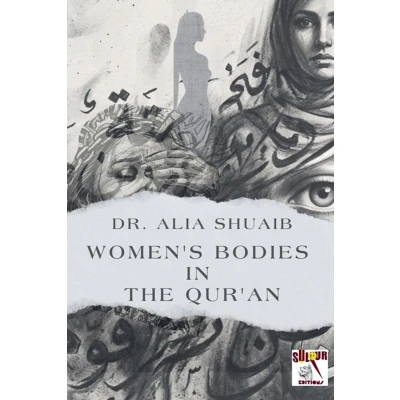
Women's Bodies in the Qur'an represents a seminal epistemological intervention into Islamic feminist theology, focusing specifically on the hermeneutics of the female form within the Qur'anic corpus. This treatise meticulously uncouples the divine text from centuries of monolithic patriarchal exegesis, which, the author argues, has historically mutated original linguistic semantics into mechanisms of somatic and socio-political control. Employing a rigorous, multi-disciplinary apparatus-synthesizing modern linguistics, psycholinguistics, and Sartrean existential phenomenology-Shuaib deconstructs central theological tenets that construct Muslim female identity.Across eight complex chapters, the text enacts profound exegesis of contested terms, including Qawwam (Guardianship), Zinah (Adornment), Hijab (The Veil), Fitnah (Seduction), and 'Awrah (Nakedness). The overarching thesis posits that traditionalist interpretations have systematically enacted an objectifying reduction of women, prioritizing the somatic "exterior" (Being-in-itself) over the agentic, intellectual "interior" (Being-for-itself). By interrogating the historical and psychological anxieties underpinning classical commentaries, the work champions a liberating, counter-hegemonic hermeneutic. Women's Bodies in the Qur'an is indispensable for scholars of Critical Islamic Theory, Gender Studies, and Philosophy, redefining the boundaries of legitimate scriptural analysis.


 Beschrijving
(1)
Beschrijving
(1)
Women's Bodies in the Qur'an represents a seminal epistemological intervention into Islamic feminist theology, focusing specifically on the hermeneutics of the female form within the Qur'anic corpus. This treatise meticulously uncouples the divine text from centuries of monolithic patriarchal exegesis, which, the author argues, has historically mutated original linguistic semantics into mechanisms of somatic and socio-political control. Employing a rigorous, multi-disciplinary apparatus-synthesizing modern linguistics, psycholinguistics, and Sartrean existential phenomenology-Shuaib deconstructs central theological tenets that construct Muslim female identity.Across eight complex chapters, the text enacts profound exegesis of contested terms, including Qawwam (Guardianship), Zinah (Adornment), Hijab (The Veil), Fitnah (Seduction), and 'Awrah (Nakedness). The overarching thesis posits that traditionalist interpretations have systematically enacted an objectifying reduction of women, prioritizing the somatic "exterior" (Being-in-itself) over the agentic, intellectual "interior" (Being-for-itself). By interrogating the historical and psychological anxieties underpinning classical commentaries, the work champions a liberating, counter-hegemonic hermeneutic. Women's Bodies in the Qur'an is indispensable for scholars of Critical Islamic Theory, Gender Studies, and Philosophy, redefining the boundaries of legitimate scriptural analysis.
 Productspecificaties
 Prijshistorie
* Prijshistorie bevat geen data van Amazon, Amazon Marketplace.
Prijzen voor het laatst bijgewerkt op:
 Gerelateerde resultaten


