


€ 99,99 Gratis verzending

Gesponsorde links
|
|
99,99 |
Naar shop
|

|
101,19 |
Naar shop
|
| VERGELIJK ALLE AANBIEDERS (2) | ||
 Beschrijving
Vergelijk aanbieders (2)
Gesponsorde links · Sommige shops betalen ons een vergoeding
€ 99,99 Gratis verzending
€ 101,19 € 5,45 verzendkosten Totaal € 106,64
Winkels met andere maten
Beschrijving
(1)
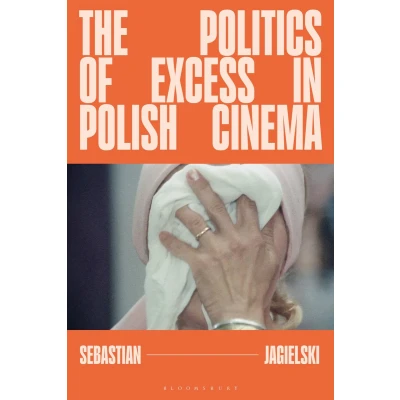
Departing from standard histories, this book draws on the theory of excess in film to provide a re-examination of Polish cinema history, following emancipatory impulses that emerged in Polish culture between the great crisis of 1968 and the conservative revolution of the Solidarity movement in the 1980s.Employing a transnational, queer, and decolonial lens, Sebastian Jagielski argues that beyond the binary of state-endorsed and official 'opposition' media, there exists a range of subversive and radical films. He provides close readings of key examples such as The Devil (Diabel) (1972), A Story of Sin (Dzieje grzechu) (1975) and The Palace (Palac) (1980), considering their depiction and transformation of emancipatory ideals born out of Western countercultural movements. He also explores the filmmaking practices of directors like Andrzej Wajda and Andrzej Zulawski, examining their use of subtext, lurid narratives and subversive embedded gestures, all developed against the backdrop of normative visions of Polishness shaped by nationalism, Catholicism, and heteronormativity. In doing so he proposes a critical revision of the conservative cinema of moral anxiety.The book also addresses how on-screen depictions of sexuality intersect with various modes of difference, highlighting the impact of racism, homophobia, misogyny, and classism. Rejecting a linear narrative in favour of a fragmented history, Jagielski uncovers the untold stories of Polish cinema's subversive influences.
 Prijshistorie
* Prijshistorie bevat geen data van Amazon.
Prijzen voor het laatst bijgewerkt op:
 Gerelateerde resultaten
 Productspecificaties


