

€ 9,23 Gratis verzending

Uitgelicht
|
|
9,23 |
Naar shop
|

|
9,23 |
Naar shop
|

|
10,50 |
Naar shop
|
| VERGELIJK ALLE AANBIEDERS (3) | ||
 Beschrijving
Vergelijk aanbieders (3)
€ 9,23 Gratis verzending
€ 9,23 Gratis verzending
€ 10,50 € 2,99 verzendkosten Totaal € 13,49
Winkels met andere maten
Beschrijving
(1)
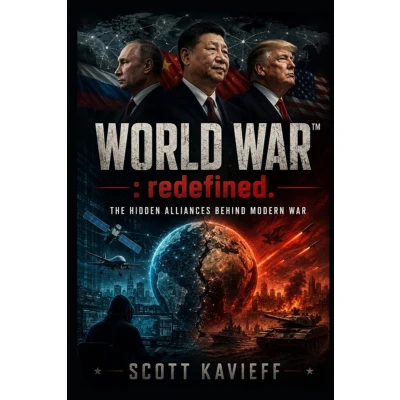
We often hear the question: Are we heading toward World War III?This book argues that the more important question may be whether we are already witnessing world wars-just not the kind of world war history has taught us to recognize.Every war begins with a story. Before armies clash over territory, nations compete to shape perception. Governments define the enemy, establish expectations, justify sacrifice, and convince their populations that conflict is necessary and winnable. In the twenty-first century, however, wars are no longer confined to battlefields. Information, economics, technology, alliances, and influence have become weapons in a broader struggle for power.This book examines how modern conflicts are won and lost-not only through military force, but through the ability to shape narratives, maintain alliances, control resources, and adapt to a changing world. It asks a fundamental question: What does a world war look like in an age when nations can fight across borders without formally declaring war?And if today's conflicts are connected through alliances, proxy relationships, economic pressure, intelligence cooperation, and strategic competition among the world's major powers, should they still be viewed as separate wars-or are they part of a newly defined world war?
 Prijshistorie
 * Prijshistorie bevat geen data van Amazon, Amazon Marketplace.
Prijzen voor het laatst bijgewerkt op:
 Gerelateerde resultaten
 Productspecificaties


