

€ 114,55 Gratis verzending

Gesponsorde links
|
|
114,55 |
Naar shop
|

|
114,55 |
Naar shop
|

|
145,00 |
Naar shop
|
| VERGELIJK ALLE AANBIEDERS (3) | ||
 Beschrijving
Vergelijk aanbieders (3)
Gesponsorde links · Sommige shops betalen ons een vergoeding
€ 114,55 Gratis verzending
€ 114,55 Gratis verzending
€ 145,00 Gratis verzending
Winkels met andere maten
Beschrijving
(1)
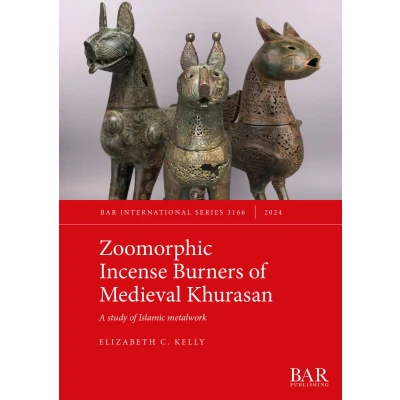
Zoomorphic incense burners were produced in medieval Khurasan between c.441-597/1050-1200. This book examines their role, function and meaning. It includes a database with defined classification criteria that enables them to be contextualised with other contemporaneous metalwork. Multicultural medieval Khurasan prospered from mercantile activities facilitated by the trade routes. The increased wealth, including middle-class patronage, movement of artisans and goods, along with the resultant transcultural exchanges, all contributed towards a changing aesthetic in artwork that reflect interests and lifestyles. The zoomorphic incense burners that emerged during this time displayed a hybridised iconography of feline and equine characteristics. The analysis indicates they are associated with symbols of power, sovereignty, the military and hunting. Their decorative palmette motifs provide representations of esfand, a plant considered to have talismanic and apotropaic properties known for inducing bravery amongst warriors.
 Prijshistorie
* Prijshistorie bevat geen data van Amazon, Amazon Marketplace.
Prijzen voor het laatst bijgewerkt op:
 Gerelateerde resultaten
 Productspecificaties


