


€ 19,00 € 2,99 verzendkosten Totaal € 21,99

Uitgelicht
|
|
19,00 |
Naar shop
|

|
19,90 |
Naar shop
|

|
19,90 |
Naar shop
|
| VERGELIJK ALLE AANBIEDERS (3) | ||
 Beschrijving
Vergelijk aanbieders (3)
€ 19,00 € 2,99 verzendkosten Totaal € 21,99
€ 19,90 Gratis verzending
€ 19,90 Gratis verzending
Winkels met andere maten
Beschrijving
(1)
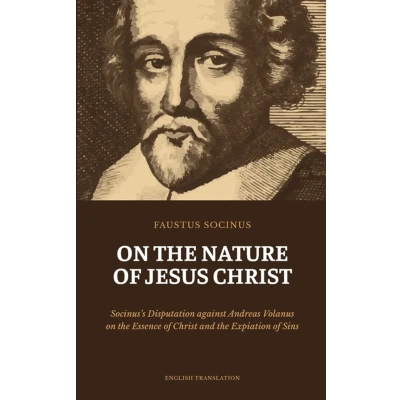
One of the sharpest christological polemics of the early modern period.In 1587 the Lithuanian Reformed theologian Andreas Volanus addressed an admonition to all adherents of the "Samosatene or Ebionite doctrine" in Poland and Lithuania. Faustus Socinus (1539-1604), founder of Socinianism and the formative mind of the Polish Brethren, answered twice: first in great haste, then - after Volanus' extensive Responsio - in the far more detailed second reply that forms the main body of this book. Both answers appeared in 1588 with a dedication to the magnate John Kiszka; they were printed only decades later in the Bibliotheca Fratrum Polonorum.Two questions stand at the centre, and Socinus treats them as one: Is Jesus Christ God by nature, of one essence with the Father - or is he the man sent, begotten and exalted by God, to whom all authority was given? Socinus does not dispute the dignity of Christ, but its customary justification: what Scripture asserts of Christ, it asserts of the Son of God, not of a second consubstantial God.In what sense are our sins expiated by the blood and death of Christ? Socinus holds fast to the biblical testimony - Christ is the high priest who effects the expiation - but rejects the notion that God was paid for our debt in Christ. A debt once paid, runs his central argument, could no longer be remitted by grace; but where there is forgiveness, there is no payment. Christ did not reconcile God; rather "God was in Christ, reconciling the world unto himself" (2 Cor 5:19) - which is precisely why that verse stands as the motto on the title page of the original edition.This edition offers: - the complete translation of both replies from the Latin- extensive annotations with scriptural references and explanations of persons and writings- a glossary of the terms of scholastic disputation (natura, essentia, subsistentia, satisfactio)- an introductory preface on the controversy and those involved in itA key text of antitrinitarianism and early modern religious history - and a call to intellectual honesty: that even sacred tradition must withstand examination. "Prove all things; hold fast that which is good."
 Prijshistorie
 * Prijshistorie bevat geen data van Amazon, Amazon Marketplace.
Prijzen voor het laatst bijgewerkt op:
 Gerelateerde resultaten
 Productspecificaties


