
The Woman Who Wore a Hat {A Timeless Indian Novella}
Uitgelicht

|
29,99 |
Naar shop
|
| VERGELIJK ALLE AANBIEDERS (1) | ||
 Beschrijving
Bol
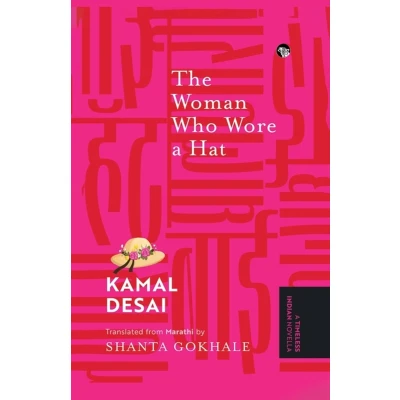
In a house with an octagonal drawing room, a group of men gather night afternight to talk, drink, and circle around their emptiness. The air is thick withboredom, guilt, and the ghosts of the past. Into this closed, suffocating worldwalks a young woman wearing a hat garlanded with flowers. She says she wantsto make an animated film, that she has lost her memory, that she is looking forcapital-and perhaps for herself. Through her, Kamal Desai creates a powerfulportrait of women who refuse to be confined by expectations-as wives,daughters, and mothers-and reach for something beyond endurance, towardsself-definition.First published in Marathi in 1975, The Woman Who Wore a Hat is a landmarkof Indian feminist fiction. In its quiet yet piercing way, it dismantles theboundaries between the masculine and feminine, sanity and rebellion,belonging and exile, memory and selfhood. With wit, lyricism, and sharppsychological insight, Desai traces a woman's insistence on choosing her ownmeaning in a world that seeks to name and contain her.Shanta Gokhale's elegant translation brings this daring, introspective novelto a new generation of readers-one that continues to ask what it means for awoman to be free.


Vergelijk aanbieders (1)

 Beschrijving
(1)
Beschrijving
(1)
In a house with an octagonal drawing room, a group of men gather night afternight to talk, drink, and circle around their emptiness. The air is thick withboredom, guilt, and the ghosts of the past. Into this closed, suffocating worldwalks a young woman wearing a hat garlanded with flowers. She says she wantsto make an animated film, that she has lost her memory, that she is looking forcapital-and perhaps for herself. Through her, Kamal Desai creates a powerfulportrait of women who refuse to be confined by expectations-as wives,daughters, and mothers-and reach for something beyond endurance, towardsself-definition.First published in Marathi in 1975, The Woman Who Wore a Hat is a landmarkof Indian feminist fiction. In its quiet yet piercing way, it dismantles theboundaries between the masculine and feminine, sanity and rebellion,belonging and exile, memory and selfhood. With wit, lyricism, and sharppsychological insight, Desai traces a woman's insistence on choosing her ownmeaning in a world that seeks to name and contain her.Shanta Gokhale's elegant translation brings this daring, introspective novelto a new generation of readers-one that continues to ask what it means for awoman to be free.
 Productspecificaties
| EAN |
|
|---|---|
| Maat |
|
 Prijshistorie
Prijzen voor het laatst bijgewerkt op:
 Gerelateerde resultaten


